
Parimatch Licensing and Regulatory Information
Licensing matters in online betting. Before using any sportsbook, players should understand who regulates the operator, what that licence covers, what protections may apply, and whether the service is permitted in their own location.
Parimatch operates under a Curaçao gambling licence. This means it is regulated outside Canada and is not licensed by Canadian provincial regulators. For Canadian users, the key point is that gambling laws are handled at the provincial and territorial level, so availability and legal status can depend on where a player is located.
This page explains the Curaçao licence, what it does and does not mean, how licensing differs from Canadian provincial regulation, why Ontario has a separate iGaming framework, and what users should check before creating an account.
Important: This page is informational only. It does not provide legal advice and should not be treated as confirmation that online gambling is legal in your province or territory.
Quick Summary
| Topic | Key Point |
|---|---|
| Operator licence | Parimatch operates under Curaçao licence OGL/2024/402/0624 |
| Regulator | Curaçao Gaming Authority |
| Canadian status | Not licensed by Canadian provincial regulators |
| Provincial rules | Gambling regulation in Canada varies by province and territory |
| Ontario status | Parimatch is not part of Ontario’s regulated iGaming Ontario framework |
| Player responsibility | Users must verify whether online gambling is legal where they live |
| Main risk | Offshore licensing does not provide the same local protections as provincial regulation |
| Page purpose | To explain licensing and regulation clearly, not to provide legal advice |
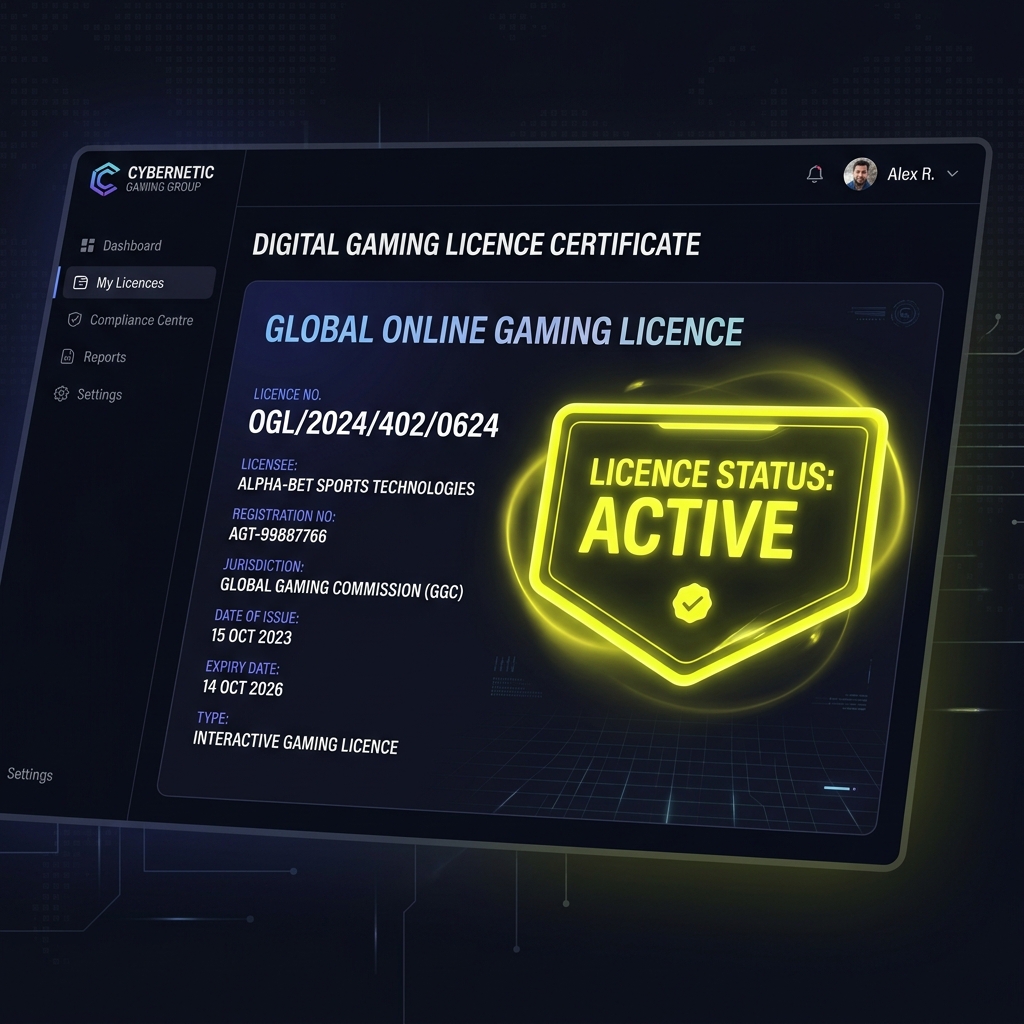
Digital gaming licence certificate status and active registration credentials.
Curaçao Gaming License
Parimatch operates under licence number OGL/2024/402/0624 issued by the Curaçao Gaming Authority.
A Curaçao gambling licence allows an operator to offer online gaming services under Curaçao’s regulatory framework, subject to the licence conditions set by the regulator. It is an offshore licence, meaning the operator is regulated outside the country where many users may be located.
For Canadian users, this distinction is important. A Curaçao licence is not the same as a provincial Canadian licence. It does not mean the operator is approved by Canadian provincial gaming authorities, and it does not override local gambling laws.
| Licensing Detail | Information |
|---|---|
| Licence number | OGL/2024/402/0624 |
| Licensing authority | Curaçao Gaming Authority |
| Licence type | Offshore online gambling licence |
| Canadian provincial licence | Not issued by Canadian provincial regulators |
| User responsibility | Check local laws before registering or depositing |
What a Curaçao Licence Means
A Curaçao licence generally means that the operator is expected to follow the licensing rules of Curaçao. These may include requirements related to operating standards, fair gaming, anti-money-laundering controls, responsible gambling measures, and complaint-handling procedures.
However, users should understand the limits of offshore regulation.
A Curaçao licence may provide:
- a formal licensing framework;
- operator registration and oversight;
- rules for lawful operation under Curaçao regulation;
- basic responsible gambling obligations;
- requirements around fair gaming and security;
- a channel for regulatory complaints where applicable.
A Curaçao licence does not automatically provide:
- approval from Canadian provincial regulators;
- access to Canadian provincial dispute systems;
- the same consumer protections as locally regulated operators;
- permission to operate in restricted jurisdictions;
- legal advice or legal certainty for individual players.
| What It May Provide | What It Does Not Provide |
|---|---|
| Offshore regulatory oversight | Canadian provincial approval |
| Licence identification | Permission in every jurisdiction |
| Operator rules under Curaçao law | Local Canadian dispute protection |
| Some player-protection standards | Guarantee of withdrawal or legal outcome |
| Regulatory contact pathway | Legal advice for users |
The practical takeaway: the licence is relevant, but it is not the only factor users should consider.
Regulator verification records confirm active operator credentials.
How to Check the Licence
Users should verify licensing details directly with the regulator or through official operator disclosures.
To check a Curaçao licence:
- Visit the official Curaçao Gaming Authority website.
- Look for licence verification, operator registry, or licence-holder information.
- Search for the operator name or licence number.
- Confirm that the licence number matches OGL/2024/402/0624.
- Review any available licence status or conditions.
- Avoid relying only on screenshots, banners, or third-party claims.
Official regulator website: gamingcontrolcuracao.org
| Verification Step | Why It Matters |
|---|---|
| Use official regulator source | Reduces risk of fake licence claims |
| Match licence number | Confirms the correct licence is referenced |
| Check operator identity | Avoids confusing similar brand names |
| Review status | Licence status may change |
| Save records | Useful if you later need support or dispute evidence |
If a licence cannot be verified through an official source, users should treat that as a serious warning sign.
Regulatory Status by Jurisdiction
Online gambling regulation is not universal. A sportsbook can be licensed in one jurisdiction while being restricted, unlicensed, or unavailable in another.
This is especially important for Canadian users because Canada does not have one single national online gambling licence for private sportsbooks. Regulation is handled by provinces and territories.
| Jurisdiction Type | What It Means for Users |
|---|---|
| Locally regulated market | Operator may need a local licence |
| Offshore licensed market | Operator is licensed outside the user’s country |
| Restricted jurisdiction | Operator may not be allowed to offer services |
| Grey-market environment | Legal status may be unclear or changing |
| Prohibited market | Users should not attempt to register or play |
Players should not assume that a sportsbook is legal for them simply because it accepts registration from some countries.
Parimatch and Canadian Gambling Laws
Canada’s gambling framework is complex because provinces and territories play a major role in regulating gambling activity.
In general, Canadian gambling law allows provinces to conduct and manage gambling within their jurisdiction. This is why each province may have its own lottery corporation, rules, and regulated platforms.
For users, the important point is that offshore sportsbooks are not the same as provincially regulated operators.
| Canadian Gambling Topic | Practical Meaning |
|---|---|
| Federal law | Sets broad criminal-law framework |
| Provincial authority | Provinces conduct and manage gambling |
| Local regulation | Rules differ by province or territory |
| Offshore operators | May be licensed elsewhere, not provincially |
| User responsibility | Players should check local legality before use |
This page does not determine whether any individual user may legally access an offshore sportsbook. Users should review applicable provincial or territorial rules and seek legal advice if unsure.
Understanding Provincial Regulations
Each province or territory may have different rules, government platforms, regulator structures, and enforcement priorities.
Some provinces operate gambling mainly through provincial lottery corporations. Others have more developed private-operator frameworks. The details can change over time.
Canadian users should check:
- whether online sports betting is permitted in their province or territory;
- whether private operators must hold local approval;
- whether offshore sites are restricted;
- what age limit applies;
- what consumer protections are available;
- whether self-exclusion applies only to local regulated platforms;
- how gambling disputes are handled locally.
| User Question | Why It Matters |
|---|---|
| Is online betting legal where I live? | Determines whether registration is appropriate |
| Is the operator locally licensed? | Affects oversight and dispute options |
| What is the legal gambling age? | Age rules vary by location |
| Are offshore sites restricted? | Some jurisdictions limit access |
| What protections apply? | Local protections may not cover offshore operators |
| Where can I get help? | Support services may differ by province |
Users should not rely on marketing language alone. Local rules matter.
Ontario iGaming Ontario Framework
Ontario has a specific regulated iGaming market. Online gambling operators that want to legally offer services in Ontario must be registered with iGaming Ontario and licensed by the Alcohol and Gaming Commission of Ontario.
Parimatch is not part of Ontario’s regulated iGaming Ontario framework. It is not available to Ontario residents.
This matters because Ontario’s regulated market has local requirements for operator registration, advertising standards, responsible gambling protections, dispute procedures, technical standards, and consumer safeguards.
| Ontario Requirement | Meaning |
|---|---|
| AGCO licensing | Operator must meet provincial regulatory standards |
| iGaming Ontario registration | Operator must be part of the regulated market |
| Local compliance | Advertising, player protection, and platform rules apply |
| Consumer protections | Ontario users are covered by local regulated-market standards |
| Parimatch status | Not part of this framework and not available to Ontario residents |
Ontario residents should use only operators that are properly registered and licensed within the province’s regulated iGaming framework.
Why Local Regulation Matters
Local regulation can affect more than just legal status. It can influence the practical protections available to a player.
Locally regulated operators may be subject to:
- provincial complaint procedures;
- local advertising rules;
- responsible gambling standards;
- technical testing requirements;
- anti-money-laundering obligations;
- age and identity verification rules;
- local self-exclusion integration;
- regulator enforcement action.
| Issue | Locally Regulated Operator | Offshore-Licensed Operator |
|---|---|---|
| Regulator | Provincial/local authority | Foreign licensing authority |
| Disputes | Local complaint routes may exist | Offshore complaint route may apply |
| Self-exclusion | May connect to local systems | May be platform-specific |
| Advertising rules | Local standards apply | Different standards may apply |
| Player protection | Local requirements | Licence-based requirements |
| Enforcement | Local regulator | Offshore regulator |
This does not automatically mean every offshore operator is unsafe. It means users should understand the difference before depositing.
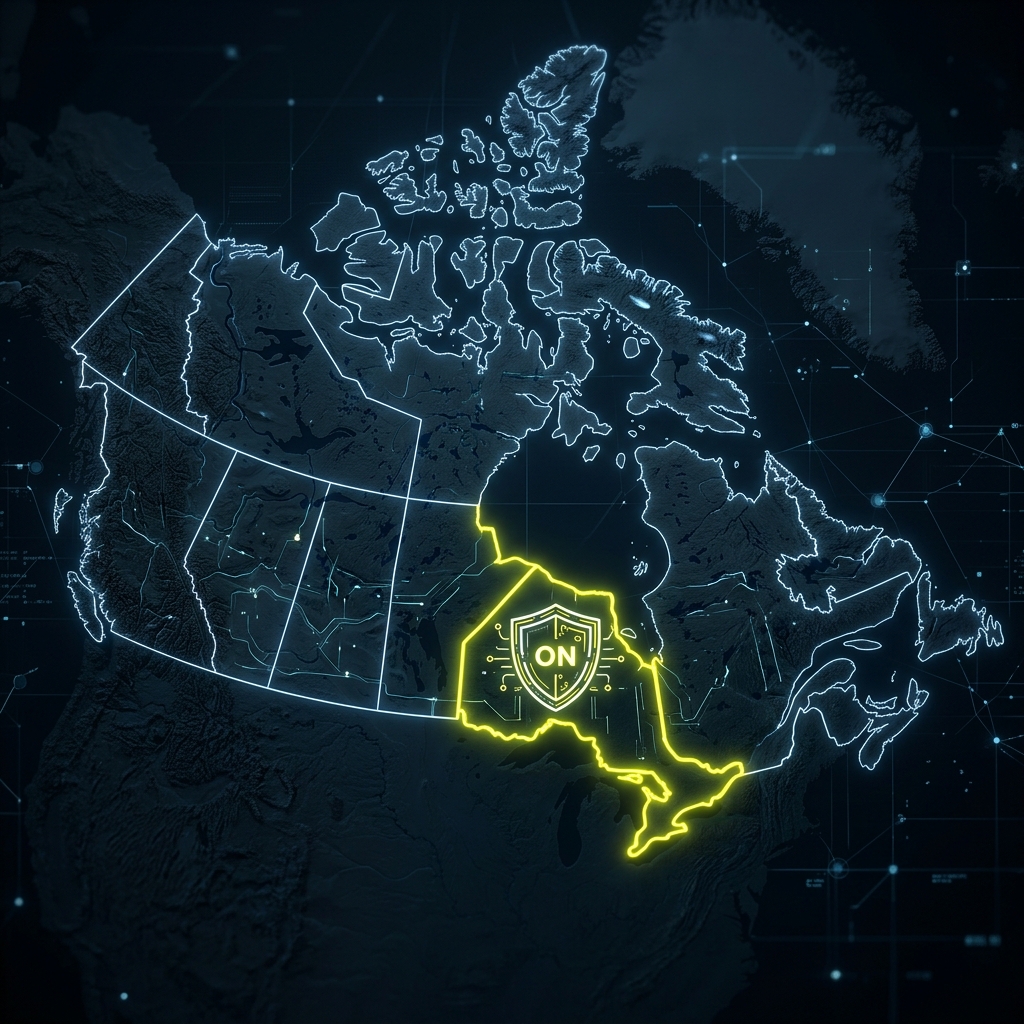
Canadian regional geoblock check interface demonstrating restricted provincial boundaries.
Player Protection Under Curaçao License
A Curaçao licence may include requirements connected to player protection, fair gaming, complaint handling, and responsible operation.
However, the exact protection available to a user can depend on the operator’s licence terms, internal policies, the nature of the dispute, and whether the regulator accepts or investigates the complaint.
Users should keep records of:
- account registration details;
- deposit confirmations;
- withdrawal requests;
- bonus terms accepted;
- bet IDs and settlement results;
- support chat transcripts;
- emails from the operator;
- verification documents submitted;
- screenshots of relevant account pages.
These records can be important if a dispute arises.
Dispute Resolution
If a player has a dispute with Parimatch, the usual process is to contact the operator’s customer support first. Most issues should be handled directly through account support.
Common disputes may involve:
- delayed withdrawals;
- bonus forfeiture;
- account verification;
- bet settlement;
- restricted accounts;
- payment-method problems;
- promotion eligibility;
- technical errors.
| Dispute Step | What to Do |
|---|---|
| 1. Check account messages | Look for KYC, bonus, or payment notices |
| 2. Review terms | Check bonus, payment, and betting rules |
| 3. Contact support | Use official support channels only |
| 4. Save evidence | Keep screenshots and chat logs |
| 5. Escalate internally | Ask for review if the answer is unclear |
| 6. Contact regulator if applicable | Use official Curaçao regulator channels |
Before escalating, users should make sure the issue is not caused by incomplete verification, active bonus rollover, incorrect payment details, or a terms violation.
Fair Gaming
Fair gaming means that odds, bet settlement, account balances, and game outcomes should be handled according to published rules and applicable standards.
For sports betting, fairness includes:
- clear market rules;
- transparent bet settlement;
- correct handling of voided events;
- accurate odds display;
- defined Cash Out rules;
- clear rules for abandoned or postponed matches.
For casino products, if offered, fairness may involve game testing, random number generation, return-to-player information, and game-provider standards.
| Fair Gaming Area | What Users Should Check |
|---|---|
| Sports rules | How bets settle if events are postponed or abandoned |
| Odds changes | Whether odds must be accepted again before bet confirmation |
| Cash Out | Whether values are guaranteed or can change |
| Bonus bets | Which markets count toward rollover |
| Casino games | RTP and provider information if applicable |
| Account history | Bet IDs and settlement records |
Users should read rules before betting on unfamiliar markets.
Data Protection
Online betting accounts involve personal and financial information. Users may need to provide identity documents, proof of address, payment details, and transaction records.
Data protection measures may include:
- secure account login;
- encrypted payment processing;
- restricted access to personal data;
- identity verification controls;
- fraud monitoring;
- secure document upload;
- payment provider safeguards.
Users should also protect themselves by:
- using a strong unique password;
- enabling two-factor authentication if available;
- avoiding shared devices;
- not sending documents through unofficial channels;
- checking website URLs carefully;
- logging out after using public or shared devices.
| Data Risk | Safer Practice |
|---|---|
| Phishing sites | Type the official URL directly |
| Weak password | Use a unique password manager-generated login |
| Shared phone or laptop | Log out after each session |
| Fake support contact | Use only official support channels |
| Document misuse | Upload only through secure account portal |
| Account takeover | Enable 2FA if available |
No gambling site should ask users to send sensitive documents through random social media accounts or unofficial messaging channels.

Data protection and account login security mechanisms.
Responsible Gambling Commitment
Licensing is only one part of player protection. Responsible gambling is just as important.
Betting should be treated as entertainment, not as income, investment, or a way to solve financial problems. Users should never gamble with money needed for rent, bills, food, debt payments, savings, or family obligations.
Safer gambling practices include:
- setting deposit limits;
- setting time limits;
- using loss limits if available;
- avoiding betting while emotional;
- avoiding chasing losses;
- taking breaks from the platform;
- not using credit or borrowed money;
- keeping gambling separate from essential finances;
- using self-exclusion tools if control becomes difficult.
| Warning Sign | What It May Indicate |
|---|---|
| Betting more than planned | Loss of control |
| Chasing losses | Increased gambling risk |
| Hiding betting | Harmful behaviour |
| Borrowing to gamble | Financial danger |
| Cancelling withdrawals to keep betting | Impulse-control issue |
| Feeling anxious without betting | Possible dependency |
| Ignoring work or family | Gambling harm |
If betting stops feeling like entertainment, take a break and seek support.
Canadian support resources include:
- ConnexOntario: 1-866-531-2600
- Gambling Support BC: 1-888-795-6111
- Gamblers Anonymous Canada: www.gacanada.ca
- Canadian Centre on Substance Use and Addiction: www.ccsa.ca
Before You Register Checklist
Before creating an account with any online sportsbook, users should answer these questions honestly:
| Question | Why It Matters |
|---|---|
| Is the site available where I live? | Prevents restricted-jurisdiction issues |
| Is the operator locally licensed? | Affects consumer protection |
| Do I understand the offshore licence? | Clarifies who regulates the operator |
| Am I legally old enough to gamble? | Age limits vary |
| Can I afford to lose the money? | Betting should not affect essentials |
| Do I understand withdrawal rules? | Prevents payout surprises |
| Am I accepting a bonus? | Bonus terms can restrict withdrawals |
| Do I know how to self-exclude? | Important if gambling becomes harmful |
If any answer is unclear, do not rush registration or deposit.
FAQ
Q: What licence does Parimatch operate under?
A: Parimatch operates under Curaçao licence OGL/2024/402/0624 issued by the Curaçao Gaming Authority.
Q: Is a Curaçao licence the same as a Canadian provincial licence?
A: No. A Curaçao licence is an offshore gambling licence. It is not the same as approval from a Canadian provincial regulator.
Q: Is Parimatch licensed by Canadian provincial regulators?
A: No. Parimatch is not licensed by Canadian provincial gambling regulators.
Q: How can users check the licence?
A: Users should check official licence information through the Curaçao Gaming Authority website: gamingcontrolcuracao.org
Q: Does a Curaçao licence make Parimatch legal everywhere?
A: No. A licence from one jurisdiction does not automatically allow operation in every country, province, or territory.
Q: How does Canadian gambling regulation work?
A: Canada has federal gambling law, but provinces and territories conduct and manage gambling within their own jurisdictions. Rules can differ by location.
Q: What is the Ontario iGaming framework?
A: Ontario has a regulated online gambling market overseen by the Alcohol and Gaming Commission of Ontario and iGaming Ontario. Operators must be properly licensed and registered to offer services there.
Q: Is Parimatch available in Ontario?
A: No. Parimatch is not part of Ontario’s regulated iGaming Ontario framework and is not available to Ontario residents.
Q: What protections may apply under a Curaçao licence?
A: Protections may include licensing oversight, complaint channels, fair gaming expectations, responsible gambling measures, and operator compliance obligations, depending on the licence terms and circumstances.
Q: What should I do if I have a dispute?
A: Contact Parimatch support first, keep records, review the relevant terms, and escalate through official channels if the issue is not resolved.
Q: Does this page provide legal advice?
A: No. This page is informational only. Users should check local laws or seek legal advice if they are unsure about gambling legality in their location.
REGULATORY DISCLOSURE: Parimatch operates under licence OGL/2024/402/0624 issued by the Curaçao Gaming Authority. Parimatch is not licensed by Canadian provincial regulators and is not available in jurisdictions where such operation is restricted, including Ontario, where online gambling operators must be licensed by the Alcohol and Gaming Commission of Ontario (AGCO) and registered with iGaming Ontario. Players are responsible for verifying the legality of online gambling in their province or territory before registering. This website provides information only and does not constitute legal advice.